
Lifestyle Changes to Reduce Eczema Flare-Ups
- posted: Jan. 15, 2026
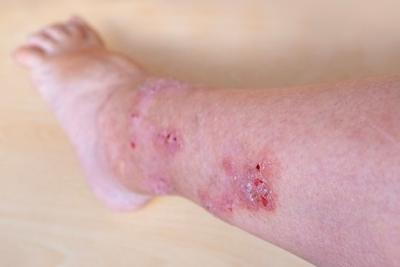
Eczema can cause itching, redness, and irritation that affects sleep, focus, and daily comfort. At Idaho Skin Surgery Center, with a main office in Boise, ID, serving Fruitland and the surrounding Boise community, patients receive practical guidance to reduce eczema flare-ups and protect the skin barrier. Lifestyle habits do not replace medical treatment, but they can make symptoms easier to manage and help skin stay calmer between visits.
Know Your Triggers
Eczema often worsens when the skin is exposed to irritants or becomes overly dry. Common triggers include cold air, dry indoor heat, hot showers, fragrances, harsh soaps, stress, and seasonal allergens. Some people notice flares after sweating, friction from tight clothing, or exposure to certain detergents. Tracking patterns is helpful, especially when symptoms appear in specific seasons or after routine activities.
Protect the Skin Barrier Every Day
Moisture loss is a major driver of eczema flares. Using a gentle, fragrance-free cleanser and applying a thick moisturizer consistently can help seal the skin and reduce irritation. Short, lukewarm showers are usually easier on sensitive skin than long, hot baths. Moisturizing right after bathing helps lock in hydration and may reduce itching as the skin dries.
Adjust Clothing and Home Habits
Skin can react to fabrics and environmental conditions. Soft, breathable clothing can reduce friction and help limit sweating. Washing clothes with fragrance-free detergent and skipping fabric softeners may also reduce irritation. In winter, indoor air can become very dry, which worsens eczema for many patients. A humidifier and consistent moisturizing can help maintain better skin comfort during cold months.
Reduce Stress and Support Recovery
Stress is a common trigger for eczema flare-ups and can increase scratching, especially at night. Building routines that support sleep and stress management may help reduce flares over time. Staying hydrated and maintaining balanced nutrition can also support the body’s natural healing process, even though triggers and responses vary from person to person.
When to Seek Dermatology Care
Lifestyle changes can help, but persistent itching, frequent flares, or signs of infection should be evaluated. Early care can prevent worsening irritation and help patients find a plan that fits their skin needs.
Eczema Care in Boise and Fruitland, ID
At Idaho Skin Surgery Center, patients receive eczema care that combines medical evaluation with practical lifestyle guidance. To schedule an appointment, call the Boise office at (208) 433-1114 or the Fruitland office at (208) 452-7450.
- posted: Jan. 15, 2026
Eczema can cause itching, redness, and irritation that affects sleep, focus, and daily comfort. At Idaho Skin Surgery Center, with a main office in Boise, ID, serving Fruitland and the surrounding Boise community, patients receive practical guidance to reduce eczema flare-ups and protect the skin barrier. Lifestyle habits do not replace medical treatment, but they can make symptoms easier to manage and help skin stay calmer between visits.
Know Your Triggers
Eczema often worsens when the skin is exposed to irritants or becomes overly dry. Common triggers include cold air, dry indoor heat, hot showers, fragrances, harsh soaps, stress, and seasonal allergens. Some people notice flares after sweating, friction from tight clothing, or exposure to certain detergents. Tracking patterns is helpful, especially when symptoms appear in specific seasons or after routine activities.
Protect the Skin Barrier Every Day
Moisture loss is a major driver of eczema flares. Using a gentle, fragrance-free cleanser and applying a thick moisturizer consistently can help seal the skin and reduce irritation. Short, lukewarm showers are usually easier on sensitive skin than long, hot baths. Moisturizing right after bathing helps lock in hydration and may reduce itching as the skin dries.
Adjust Clothing and Home Habits
Skin can react to fabrics and environmental conditions. Soft, breathable clothing can reduce friction and help limit sweating. Washing clothes with fragrance-free detergent and skipping fabric softeners may also reduce irritation. In winter, indoor air can become very dry, which worsens eczema for many patients. A humidifier and consistent moisturizing can help maintain better skin comfort during cold months.
Reduce Stress and Support Recovery
Stress is a common trigger for eczema flare-ups and can increase scratching, especially at night. Building routines that support sleep and stress management may help reduce flares over time. Staying hydrated and maintaining balanced nutrition can also support the body’s natural healing process, even though triggers and responses vary from person to person.
When to Seek Dermatology Care
Lifestyle changes can help, but persistent itching, frequent flares, or signs of infection should be evaluated. Early care can prevent worsening irritation and help patients find a plan that fits their skin needs.
Eczema Care in Boise and Fruitland, ID
At Idaho Skin Surgery Center, patients receive eczema care that combines medical evaluation with practical lifestyle guidance. To schedule an appointment, call the Boise office at (208) 433-1114 or the Fruitland office at (208) 452-7450.
Office Hours
Boise Location
Monday
7:30 am - 5:00 pm
Tuesday
7:30 am - 5:00 pm
Wednesday
7:30 am - 5:00 pm
Thursday
7:30 am - 5:00 pm
Friday
7:30 am - 5:00 pm
Saturday
Closed
Sunday
Closed
Fruitland Location
Monday
8:00 am - 5:00 pm
Tuesday
8:00 am - 5:00 pm
Wednesday
8:00 am - 5:00 pm
Thursday
8:00 am - 5:00 pm
Friday
8:00 am - 5:00 pm
Saturday
Closed
Sunday
Closed
